The Nitty Gritty Cocktail for May

HerbGardenGimletSince the beginning of this year, the Whiskey Thief has served as the official bartender for the Nitty Gritty Magic City Reading Series, which features a variety of writers both local and from elsewhere on the second Thursday of each month. At each reading, we feature a signature craft cocktail. We’ve been woefully neglectful about pimping both the reading series and the cocktails we’ve been creating for it, but we’re going to correct that now.

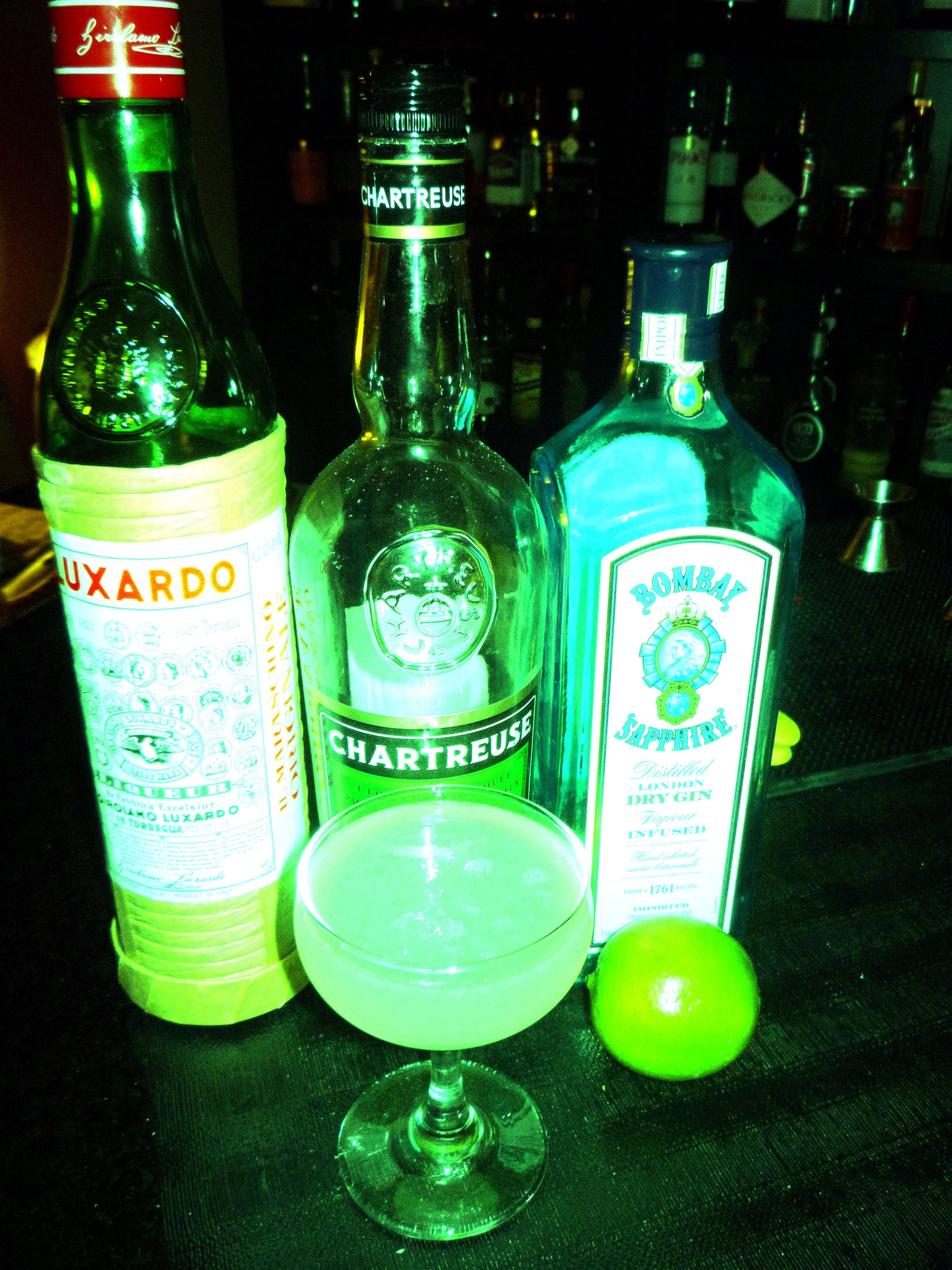
This month, we’re doing something a little different. We’re putting together a springy herbal mixture of 2 parts lime juice to 1 part each of Green Chartreuse and St. Germaine. Call it a spring sour mix.

For the cocktail, patrons can choose a base liquor to pair with the mix:

  • Gin for a gimlet
  • Vodka for a bastardized gimlet
  • Honeysuckle Vodka for a sweeter bastardized gimlet
  • Tequila for a margarita
  • Rum for a daiquiri

We’re pulling fresh herbs from the whiskey garden to use as a garnish.

The NGMC readers featured this month are all from Nashville:

TJ Jarrett is a writer and software developer in Nashville, Tennessee. Her recent work has been published or is forthcoming in Poetry, African American Review, Boston Review, Beloit Poetry Journal, Callaloo, DIAGRAM, Third Coast, VQR, West Branch and others.

Christina Stoddard is the author of HIVE, which won the 2015 Brittingham Prize in Poetry (University of Wisconsin Press). Originally from the Pacific Northwest, Christina earned her MFA from the University of North Carolina at Greensboro, where she was the Fred Chappell Fellow. She is an Associate Editor at Tupelo Quarterly and a Contributing Editor at Cave Wall. Christina currently lives in Nashville, TN where she is the Managing Editor of a scholarly journal in economics and decision theory. Visit her online at http://www.christinastoddard.com and on Twitter at @belles_lettres.

Edgar Kunz lives in Nashville, Tennessee, where he teaches at Vanderbilt University. His work appears or is forthcoming in AGNI, The Missouri Review, Indiana Review, Gulf Coast, Forklift Ohio, Devil’s Lake, and other places. He’s moving to San Francisco in the fall to begin a Wallace Stegner Fellowship at Stanford University.

A Rose for Emily

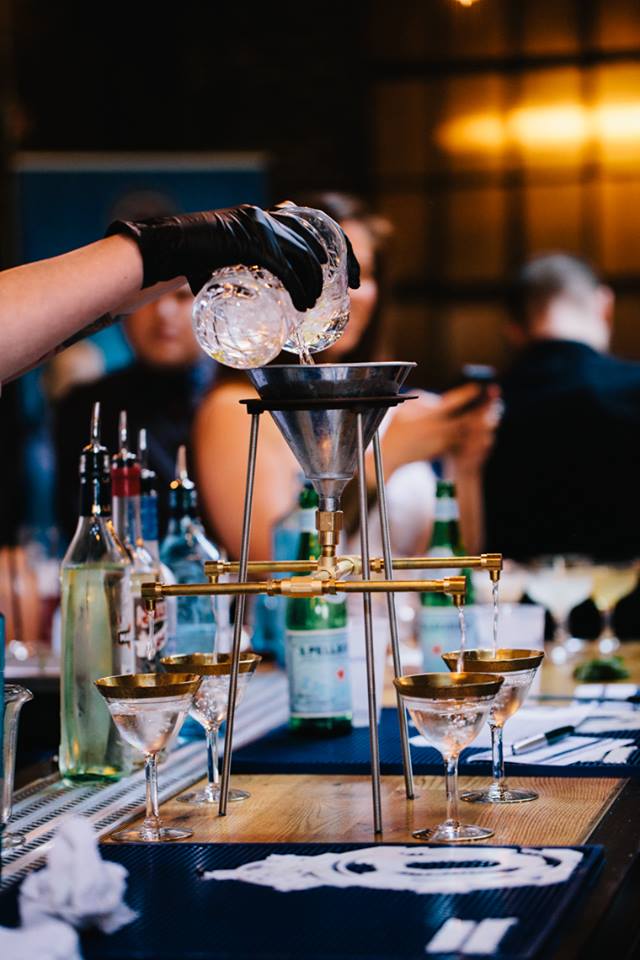
Photos courtesy of the 2014 Eat Drink Read Write Festival, Birmingham, AL

EDRW_4“A Rose for Emily” is a 1930 short story by the American author William Faulkner. In the story, Miss Emily is a reclusive old Southern lady, a symbol of the antebellum years, now faded and marred by history. She never married, though she did once have a suitor who had told his friends he was “not the marrying kind” and disappeared before marrying her.  Miss Emily has now died, and the ladies of the town are eager to see into the house that has been closed up for many years, often emanating distasteful odors. Behind a barred door, they find the decaying corpse of Emily’s old suitor lying in a bed, covered in dust. She had apparently poisoned him. An indention in the pillow next to him contains a grey hair, indicating that Miss Emily had, at least for some time, been sleeping in the bed next to the body.

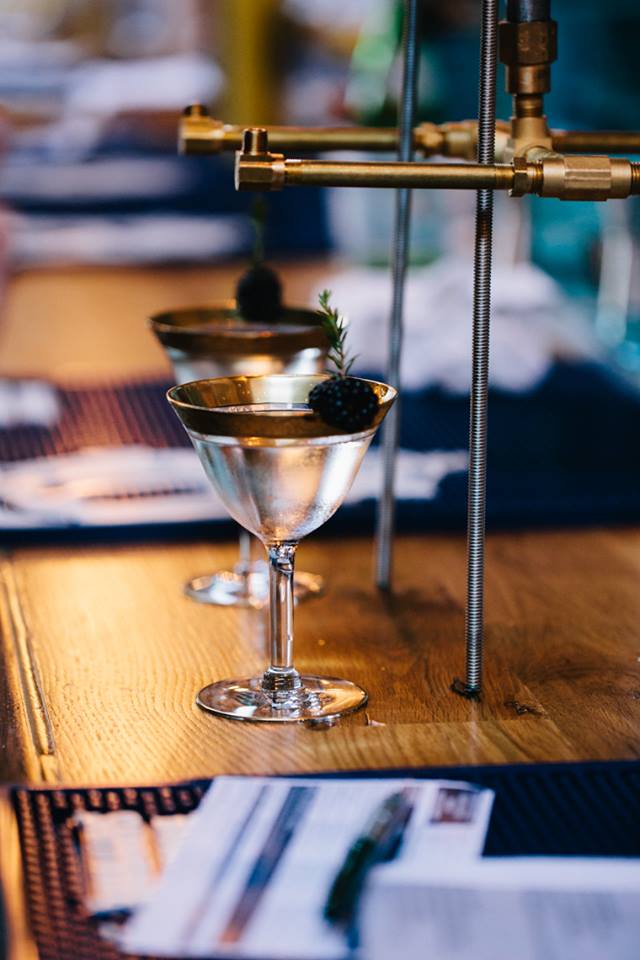
This story inspired me toward perfume and flowers of the type one might associate with a lady like Miss Emily. The combination of Bristow Gin and Cathead Honeysuckle Vodka would create a perfect base. I added a wash of rosewater at the beginning and lavender bitters at the end to complete the floral notes. The drink needed something to mute its high proof, so I added Lillet Rosé, making this essentially a variation on a classic martini, but with a pretty serious floral twist.

EDRW_2A drink in tribute to Faulkner really needs some bourbon in it somewhere, and the wood notes of the bourbon help to balance the botanical elements. I chose Four Roses bourbon because the name fit the bill, and it’s a tasty, mild, mid-priced bourbon that plays well with others. Naturally, I garnished with actual roses.

A Rose for Emily

In a mixing glass, combine:

  • 1.5 ounces Bristow Gin
  • .5 ounces Cathead Honeysuckle vodka
  • .5 ounces Four Roses bourbon
  • .5 ounces Lillet Rosé

Fill with ice and stir to desired dilution.

Spray the inside of a coupe glass thoroughly with rosewater. Strain the cocktail ingredients into the glass. Add 2-3 drops of lavender bitters to finish. Garnish with a large rose petal or small rose bud.

The Triborough Bridge

TriboroughHaving spent a good decade of my life in Manhattan, I decided to use Woodford Reserve’s “Manhattan Project” as an opportunity to pay tribute not only to the granddaddy of all classic cocktails but to the many facets of the island that has meant so much to me over the years. New York City is the epitome of the American melting pot, and bourbon is the quintessential American whiskey, so the marriage of ideas seems fated in the stars.

My brainstorming began with the idea that we should recognize the “melting pot” aspect of Manhattan by using ingredients from many different places. However, the last thing we’d want to do would be to weigh down a classic like the Manhattan with clashing flavors. That’s when I hit upon the three whiskeys idea. Like the bridge that connects Manhattan to the Bronx and Brooklyn, the use of Woodford bourbon, Bushmill’s Irish whiskey, and Laiphroaig Scotch create a bridge that brings all the ingredients to create a unified whole.  Compared to other bourbons in its class, Woodford is noticeably sweet with distinct notes of caramel, vanilla, and butter. The dryness of the Bushmill’s balances the sweetness and is a perfect match because, like Woodford, Bushmill’s is triple distilled in a pot still. Just a few drops of Laiphroaig are added at the end to provide an aroma and light taste of smoke. One can imagine the atmosphere of a West Village poetry reading in a smoky coffee house.

A Manhattan also needs vermouth and bitters to round it out. We chose Punt e Mes because its slight bitterness and chocolate notes would play well with the whiskeys. We added a small amount of Benedictine to provide a bass note and appeal to the entire palate. In my opinion, a Manhattan is a serious drink and therefore does not need a flashy garnish. However, a little citrus oil really helps to brighten the brooding nature that the Punt e Mes and Benedictine bring to the table, and the flavor of orange plays well with the chocolate notes in the Punt e Mes.

Ingredients

  • 1 ounce of Woodford Reserve bourbon
  • 1 ounce of Bushmill’s Irish whiskey
  • .5 ounces of Punt e Mes
  • .25 ounces of Benedictine
  • 3 drops of Laiphroaig
  • Orange peel expressed, twisted, and dropped in the glass

Stir and strain into a classic coupe

Fall Cocktails Class at Emmet O’Neal Library 11/21

spiced_fall_cocktailscopyIt’s probably a little late to announce this because it’s sold out, but we are doing a Fall Cocktails class at Emmett O’Neal library in Crestline Village next Friday (11/21). There is a waiting list, so who knows? Maybe you can still get in. We’ll be posting our recipes for that class in the near future, so check back.

Black Peppercorn Cocktails

We made a large vat of black peppercorn syrup for our Bengal Tiger a couple of weeks ago, and we still have leftovers. A quick reminder on how to make the syrup:

Mix 1 cup of sugar, 1 cup of water, and 1 tablespoon of black peppercorns in a saucepan. Stir over medium heat until all the sugar dissolves. Turn the heat to low and let it simmer another 5-10 minutes, and then take it off the heat. When the mixture cools, strain out the peppercorns using cheesecloth or a mesh strainer and then bottle.

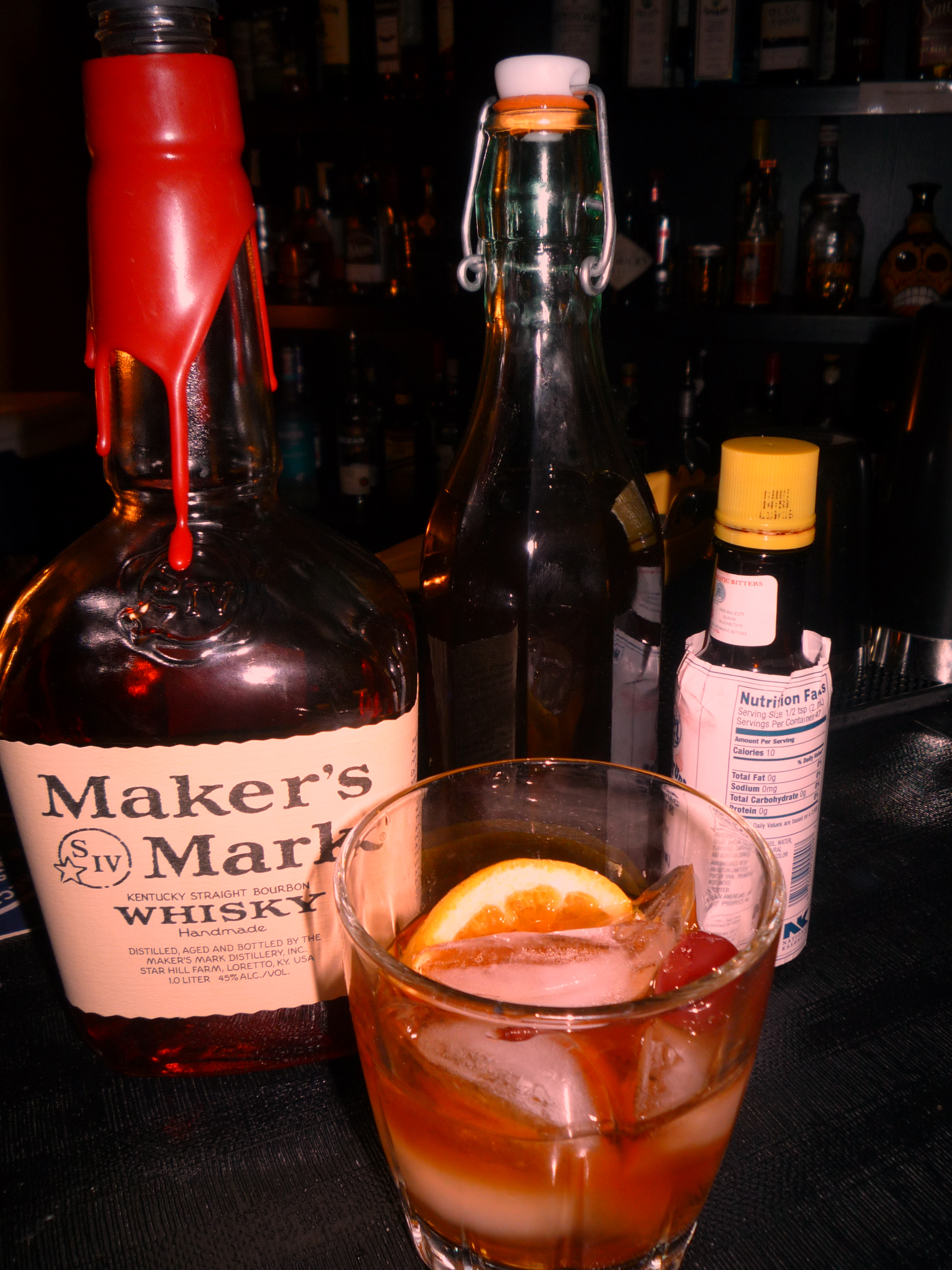
This syrup makes a wonderful spicy addition to almost any cocktail that would normally include regular simple syrup. We started with the most basic cocktail of them all, the Old Fashioned.

Black Pepper Old FashionedBlack Pepper Old Fashioned

  • 2 ounces of your favorite bourbon or rye
  • 1/2 ounce black peppercorn syrup
  • 2 dashes of Angostura bitters

Build in a rocks glass and fill with ice.

This syrup is especially delicious  if there is also citrus involved. Some things we tried:

Black Pepper Daiquiri

  • 2 ounces white rum
  • 1 ounce fresh pressed lime juice
  • 1/2 ounce black peppercorn syrup

Shake and strain into a cocktail glass.

Black Pepper Gimlet

  • 2 ounces dry gin
  • 1 ounce fresh pressed lime juice
  • 1/2 ounce black peppercorn syrup

Shake and strain into a cocktail glass.

Black Pepper Margarita

  • 2 ounces blue agave tequila
  • 1 ounce fresh pressed lime juice
  • 1/2 ounce Grand Marnier
  • 1/2 ounce black peppercorn syrup

Shake and strain into a cocktail glass.

You can see how versatile this is. Try subbing lemon or lime in any of these drinks. Throw in a splash of fresh grapefruit or orange juice if you have it handy.

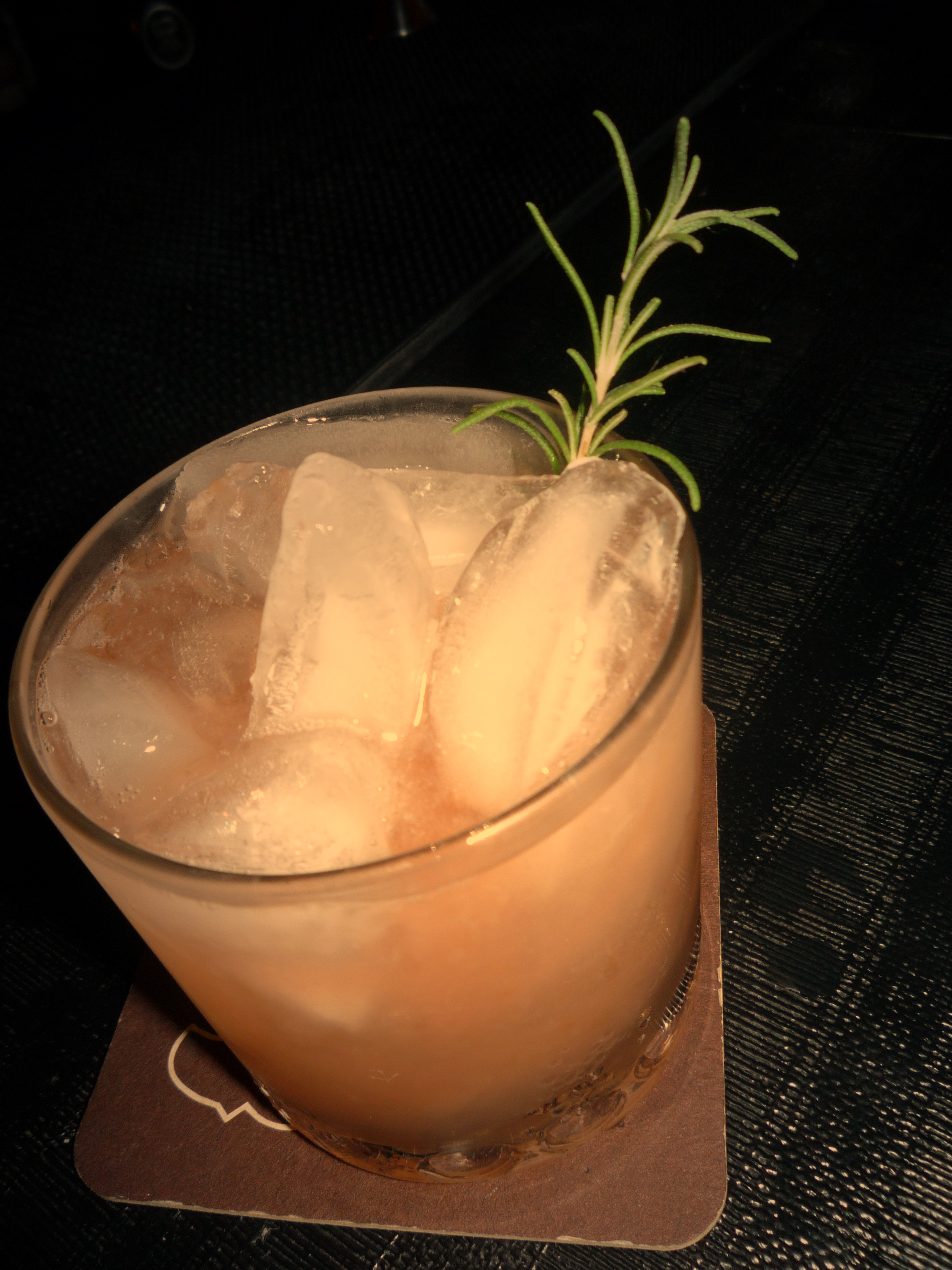
Secrets of EveFor our final black pepper trick, may we introduce “Secrets of Eve.” Whiskey Girl and I happen to have a fig tree in our back yard, so it’s a virtual fig-topia around here. We’ve made a lot of cool things with the figs, including entrees, desserts, and drinks. But the majority of the stock has gone into fig preserves, which we make with sugar, lemon, and fresh ginger.

We were snacking on our first jar of fig preserves and quickly came to the end, but there was still a lot of delicious reserve liquid remaining in the jar. What do you suppose we did with that?

Secrets of Eve

  • 2 ounces dry gin
  • 1 ounce fig preserve juice
  • 1/2 ounce black peppercorn syrup

Shake with ice and pour into a large rocks glass. Garnish with a fresh sprig of rosemary.


On Dilution and Similar Topics

A sophisticated gentleman of our acquaintance recently inquired about our philosophy when it comes to shaking versus stirring. This topic is a puzzler for many a home bartender. We have plenty to say on this and related subjects, and we expect some will disagree. We would love to hear what others think about it, so please do write in.

First of all, some people seem to think that shaking dilutes the drink more than stirring. That’s just silly. It can dilute faster perhaps, but the amount of dilution is purely due to how long you stir/shake and the amount of force used in either method. The main difference is that shaking makes the drink rather cloudy and also creates ice shards, which you may desire in some drinks but not in others.

Personally, when we order a martini out on the town, we always instruct the bartender to stir. In our opinion, a martini should be as clear as summer rain (and a rainy summer day is a perfect time to enjoy one).

Here are some other tips we’ve picked up along the way:

Ice_1

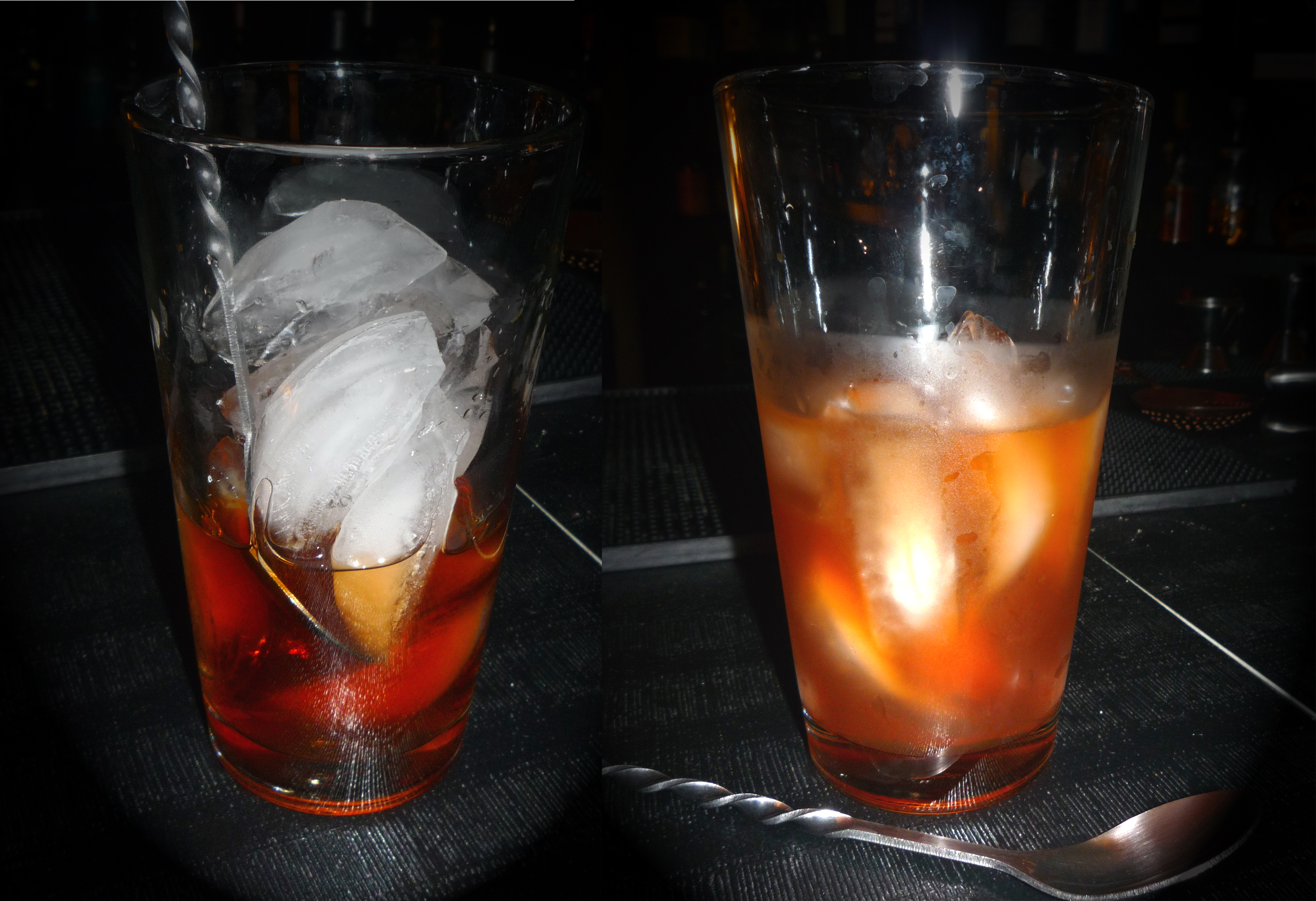
A Manhattan before and after stirring

Amount of Dilution

The amount of dilution you want is a matter of personal preference for the particular drink in question. As noted above, you can achieve the desired amount of dilution using either method. We suppose you could also sit the shaker or mixing glass on a window sill and walk away from it, but most of us want our cocktails more quickly than that.

Amount of Ice to Use

For most drinks, we fill the shaker or mixing glass 2/3 with ice. This is enough for about 1/3 of the ice to peek out above the surface of the undiluted liquid. For our taste, when the ice melts to the point of being even with the surface of the liquid, the drink is usually diluted enough.

Stirring

We stir anything composed entirely of base liquor, liqueur, vermouth, and bitters. Typically, these are drinks that we don’t want to cloud up: e.g., Martini, Manhattan, negroni, and all the various members of those families of drinks, including the Boulevardier, Remember the Maine, and Raultini.

We use glass instead of a metal tin when we prepare a stirred drink, mainly because it looks prettier. Some bartenders have very fancy mixing glasses with pouring spouts built in, but we just use a standard pint glass.

Shaking

We shake anything that contains citrus or egg white. That includes margaritas, gimlets, daiquiris, whiskey sours, and the like.

A note on dry shaking: The dry shake is not just a hangover symptom. It’s also an important step in any drink that includes eggs, such as sours, fizzes, flips, etc. This is especially true if there is citrus AND egg. The protein in the egg and the acid in the citrus form an emulsion, which gives the drink the proper texture and also helps create foam. The ingredients emulsify best at room temperature. Therefore, you want to give it a dry shake BEFORE you add ice and then shake it again.

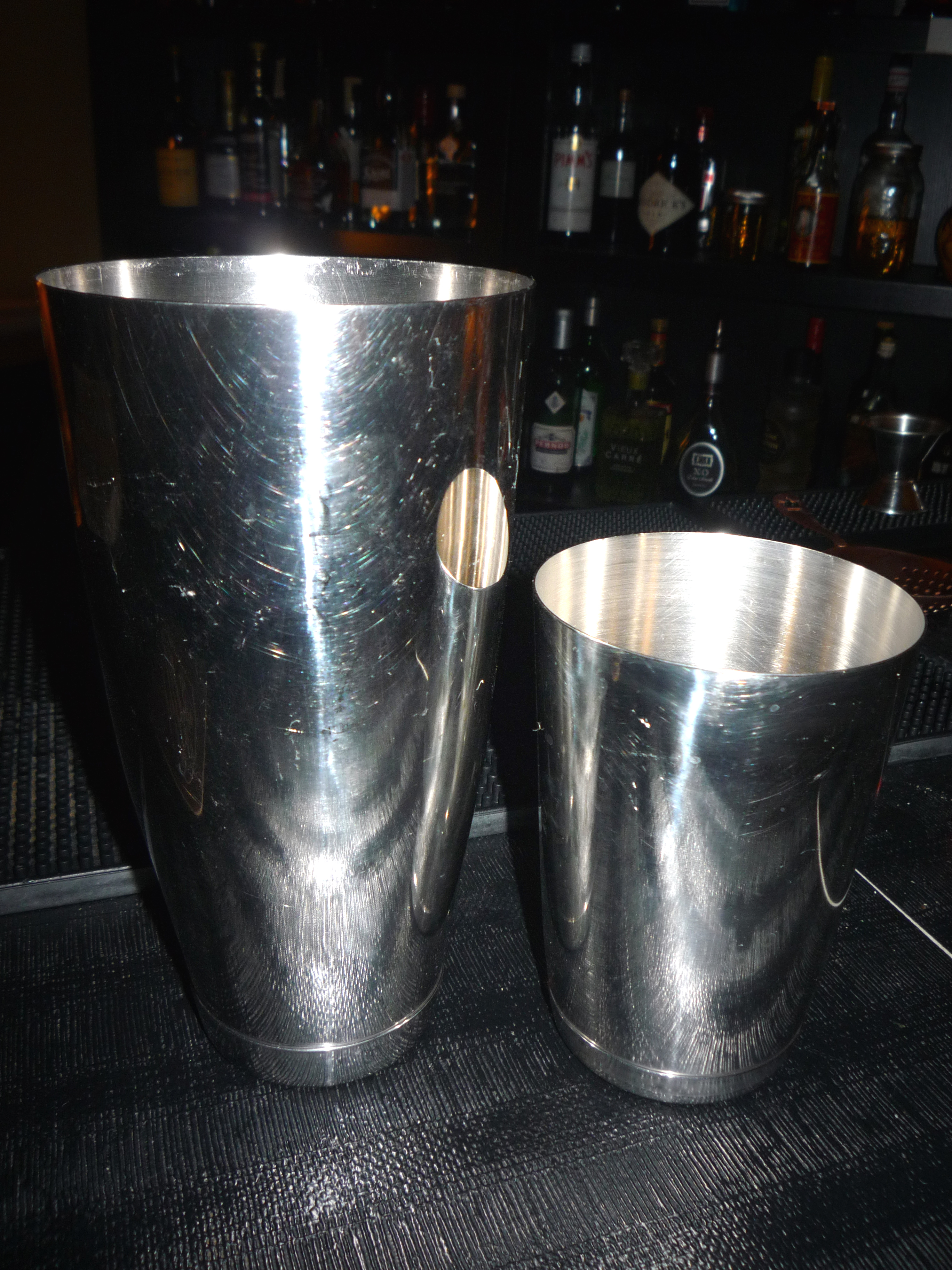
Boston Shaker

Boston Shaker

Shaker Preferences

There is a lot of confusion about the names of different types of cocktail shakers, but the following adheres to the terminology we see most often used among professionals.

  • A Boston shaker is a two-piece set composed of a small tin and a larger tin.
  • An apparatus with a built-in strainer and a cap is called a cobbler shaker.
  • There are also French shakers, which are basically cobbler shakers without the built-in strainer.

Most of the pros we know prefer a Boston shaker, or they improvise a variation using a mixing glass and a large tin. We prefer a Boston shaker ourselves because it’s easy to clean and highly versatile. We don’t like to use a glass and tin because we have broken too many of our pint glasses experimenting with that method.

Other than that, it is really just a matter of personal preference. Let us know what you think about dilution methods and related topics in the comments.

The Last Word

The Last Word is a pungent, sweet, and sour Prohibition-era classic. It was invented at the Detroit Athletic Club during Prohibition and was originally made with bathtub gin. The strong flavors of Chartreuse, lime, and maraschino liqueur were basically there to cover up the taste of the bad gin.

Most folks today make this with a London Dry gin like Bombay Sapphire. However, at the Zig Zag cafe in Seattle, which was resonsibile for the modern resurgence of this cocktail, they make it with a house-made “bathtub gin” that has stronger spice and citrus notes. So we tried making with our own house-made Old Tom, which makes it a very different animal. Both versions are really good in their own way though.

Last Word 2The Last Word

  • 3/4 ounces London dry gin or whatever you have around
  • 3/4 ounces fresh pressed lime juice
  • 3/4 ounces Green Chartreuse
  • 3/4 ounces Luxardo maraschino liqueur

Shake and strain into a coupe glass.

We should also mention one very popular variation called the Final Ward, which was invented by a New York bartender named Phil Ward. Ward substitutes rye whiskey for the gin and lemon juice for the lime. What variations can you imagine?


Aviation Cocktail

Aviation 2The storied history of the rise, fall, and restoration of the Aviation cocktail is one of mystery and misfortune. Legend says that it was first made in 1908, the same year that the Wright Brothers took their first passenger up in the air. Its invention is attributed to Hugo Ensslin, a bartender at New York’s Hotel Wallick, who published the recipe in 1916. The drink was reportedly named in honor of the increasingly popular activity in the skies, represented by the drink’s pale blue color.

However, by the end of the 1920s, the ingredient that gave it that sky blue hue, crème de violette, was not being produced commercially anymore. The Aviation cocktail, being one of its only uses, was apparently not quite popular enough to keep the violet liqueur in demand. In 1930, the wildly popular Savoy Cocktail Book printed a recipe for the Aviation that simply omitted the crème de violette. From there, things got weird. During the many decades when crème de violette was absent from the market, some tried to use other blue liqueurs such as creme Yvette, parfait d’amour, and even (blech) blue curacao as a substitute. Although the color was close, the flavor profile was not there.

Fortunately, in 2007, the Rothman & Winter company began importing crème de violette into the U.S. and the original Aviation once again became available, and a few years later, any bartender worth his bitters has it in his repertoire.

Aviation 1Classic Aviation

  • 2 ounces dry gin
  • 1/2 ounce lemon juice
  • 1/4 ounce Luxardo maraschino liqueur
  • 1/4 ounce crème de violette

Shake with ice and strain into a coupe.

As long as you are investing in that crème de violette, here are a few other things you can do with it. One popular variation on the Aviation is the Blue Moon cocktail, which simply omits the maraschino. Another is the Moonlight cocktail, which uses lime juice instead of lemon and Cointreau instead of maraschino. The Jupiter adds a little fresh-squeezed orange juice to the classic Aviation recipe.

You can also sip the liqueur by itself over ice, but it won’t be to everyone’s taste.

Georgia by Jack Wyrick

Photo by Cameron Carnes

Photo by Cameron Carnes

Jack Wyrick, formerly of Octane and Collins Bar, is the inventor of the Georgia, which won Birmingham’s local final in the GQ/Bombay Sapphire “Most Imaginative Bartender” competition. As a result, Jack will be headed to Las Vegas in September to compete nationally. She has generously shared her recipe with us here.

Unfortunately for us, Jack is no longer working in Birmingham. If you want to try her other cocktails, you”ll have to track her down in Nashville where she is will reportedly be working at the Patterson House and other fine establishments.

The Georgia is a refreshing take on a classic Martini or Vesper, adding in Salers bitter apertif to give the drink more body and bite.

Photo by Cameron Carnes

Photo by Cameron Carnes


Georgia

  • 1 1/4 oz Bombay Sapphire
  • 3/4 oz Grey Goose Vodka
  • 1/2 oz Martini Bianco vermouth
  • 1/2 oz Salers apertif

Stir with strip of lemon peel, being careful to avoid pith when peeling. Strain into coupe. Atomize Leyland-Cypress-infused orange bitters on to surface of cocktail. Garnish with a blackberry and spruce tip.

The Bengal Tiger

BengalTiger_3This week saw the local final in Birmingham for GQ/Bombay Sapphire’s Most Imaginative Bartender competition for 2014. The winner, Jack Wyrick, will go to Las Vegas in September to compete nationally. We took part in the competition ourselves, and though we didn’t win, we thought we made a pretty good showing. In the coming days, we hope to share recipes from some of the other participants, but today, we’ll give you our own concoction invented for the contest: The Bengal Tiger.

We began our brainstorming with a classic called the Aviation. One thing we have always liked about an Aviation is the velvety texture that the maraschino provides, balanced with the floral notes of the gin and violet. We wanted to create something that had a similar mouth feel and floral qualities but with more complexity, so we started by substituting Yellow Chartreuse for the Crème de Violette.

For additional herbal punch, we added a few drops of a fennel seed tincture. We’ve been getting fennel from our local CSA this summer, and we’ve really enjoyed experimenting with this versatile and flavorful herb.

The star of this drink is black pepper. Although regular Bombay Sapphire doesn’t include peppercorns among its botanicals, its sister product Sapphire East does include them. So we knew pepper would play well with the essential Sapphire flavor profile. We made a peppercorn syrup because the extra spice required a little extra sweetness for balance. Bombay Sapphire has a higher proof than other gins in the Bombay family, which helps it stand up to all these bold flavors.

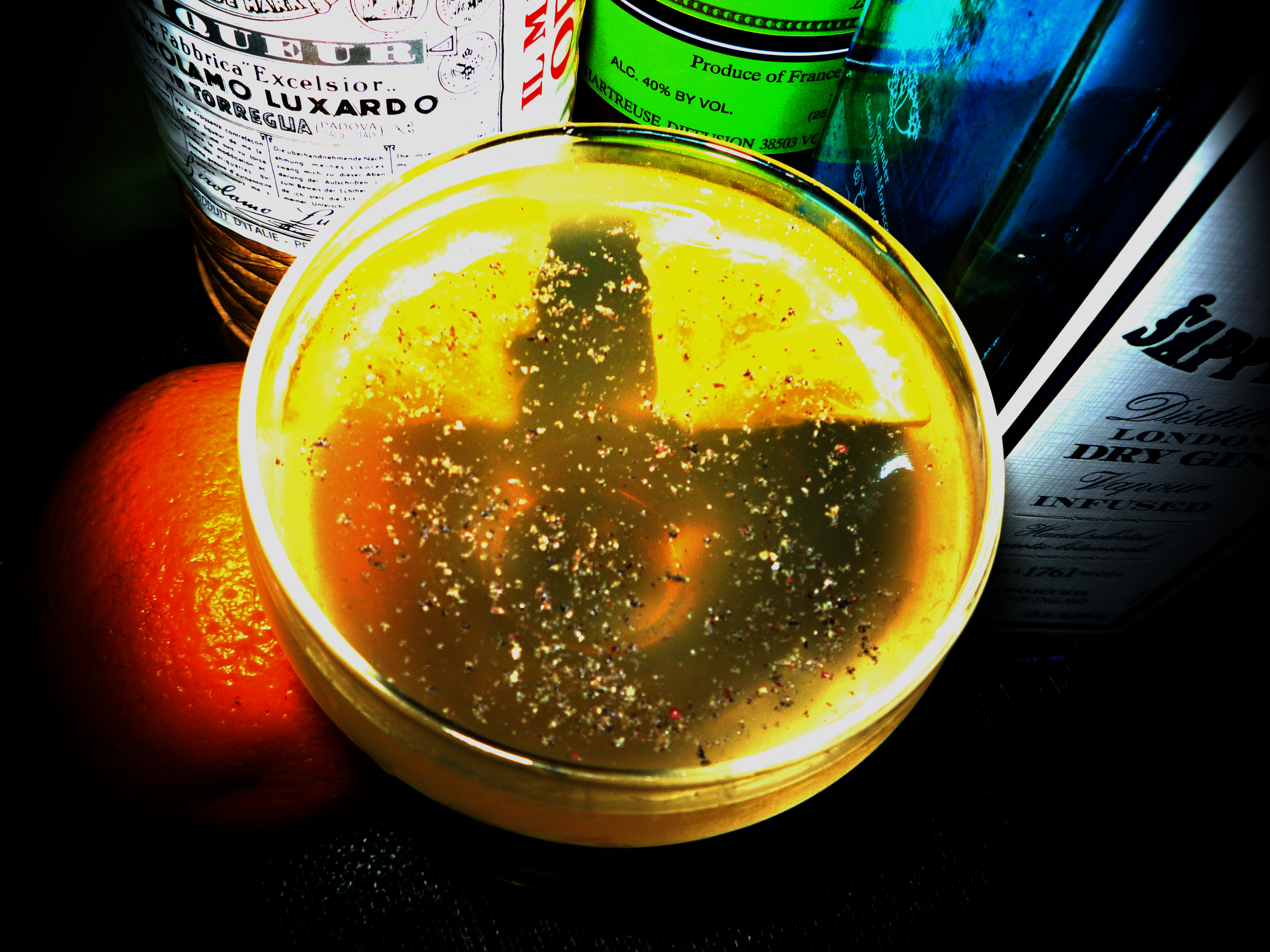
We added the orange slice and additional fresh ground pepper as a garnish mainly for the colors. We named this drink the Bengal Tiger because of the yellow and black colors or the drink and because it has a serious bite. In addition, South India, including the region of Bengal, is one of the areas where black pepper is native.

To make this drink, there are a couple of things you have to make first, but we think it’s worth the work. Both the peppercorn syrup and the fennel tincture make good additions to a Bloody Mary, and we think there are plenty of other uses, which we’ll be exploring here in future posts.

Black Peppercorn Syrup

  • 1 cup sugar
  • 1 cup water
  • 1 tablespoon of whole black peppercorns

Add all ingredients to a saucepan over medium heat. Stir constantly until the sugar dissolves and you have a soft boil. Turn heat to low and let simmer an additional 5-10 minutes, then remove from the heat. After the mixture cools, strain out the peppercorns using cheesecloth and funnel into a bottle for storage.

Fennel Seed Tincture

  • 1 cup 100-proof vodka
  • 1 tablespoon of fennel seeds

Add fennel seeds to vodka in a glass jar and keep in a cool, dry place. After 3-4 days, strain out the seeds. Funnel the mixture into a dropper bottle.

BengalTiger_2The Bengal Tiger

  • 2 ounces Bombay Sapphire gin
  • ½ ounce lemon juice
  • ½ ounce black peppercorn syrup
  • ¼ ounce Luxardo maraschino liqueur
  • ¼ ounce Yellow Chartreuse
  • 6 drops fennel seed tincture

Add all ingredients to a shaker 2/3 full of ice. Shake and strain into a coupe glass. Garnish with half an orange slice and fresh cracked pepper.

If you want to be cute, cut the orange slice in quarters to make tiger ears.